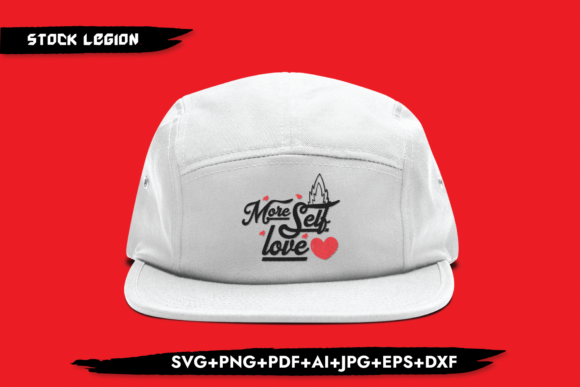
More Self Love: A Designer’s Review for Embroidery
As a designer who has spent countless hours digitizing and stitching out text-based motifs, I approach every new machine embroidery design with a healthy dose of skepticism. We have all been there: you download a cute quote, load it onto your machine, and watch in horror as the letters bunch up or the spacing feels awkward on the final garment. That is why I took a close look at More Self Love. This isn’t just another generic phrase; it is a statement piece that requires careful handling to ensure it translates well from screen to stitch.
The product falls under the category of Crafts and specifically serves as high-quality Graphics for makers. It includes a ZIP file containing smooth, professional files: a 6×6 inch image at 300 dpi with a transparent background, along with SVG, PNG, PDF, and JPEG formats. While these are primarily digital assets, their utility in the embroidery world depends entirely on how we adapt them for the hoop. Let’s break down how this design performs in real-world scenarios.
First Impressions and Visual Personality
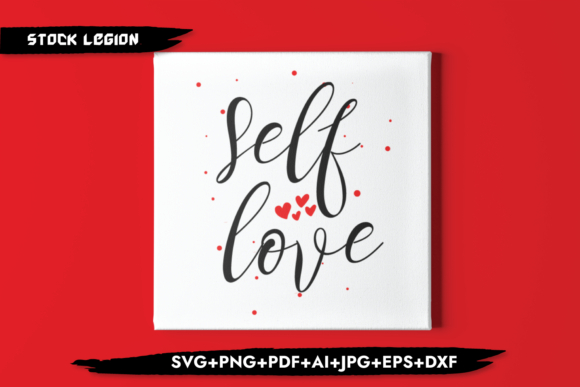
The first thing that strikes me about More Self Love is its balanced simplicity. In the world of embroidery project planning, less is often more. Complex scripts can become a nightmare of thread breaks and puckering, especially on smaller hoops. This design appears to prioritize readability and emotional impact over unnecessary flourishes. The mood it creates is calm, affirming, and modern. It does not scream for attention; rather, it invites a second look.
For an Etsy seller or small shop product creator, this visual personality is gold. It fits seamlessly into the current trend of minimalist wellness decor and mindful apparel. When I visualize this stitched out, I see clean lines that would work beautifully with a combination of satin stitch borders and subtle fill stitch interiors, depending on the size. The layout suggests a design that respects negative space, which is crucial for maintaining clarity on textured fabrics.
Real-World Application: The Tote Bag Test
To truly evaluate a design, you have to imagine it on a physical product. I recently worked on a custom order for a local boutique needing a run of canvas tote bags. The client wanted something uplifting but not overly religious or political. More Self Love would have been a perfect candidate for this tote bag design.
Canvas is a sturdy fabric, but it has a distinct weave. If the stitch density is too low, the fabric shows through, making the text look sparse. If it is too high, the bag becomes stiff and heavy. With a 6×6 inch maximum dimension, this design sits comfortably in a standard 5×7 or 6×10 hoop. I would recommend using a medium-weight cut-away stabilizer to prevent distortion during washing. The result would be a crisp, professional-looking handmade product that customers feel proud to carry daily.
Beyond totes, consider sweatshirt embroidery. A crewneck sweatshirt in heather grey or soft pink provides an excellent backdrop for this quote. The texture of the fleece requires careful needle selection—perhaps a ballpoint needle to avoid piercing the fibers aggressively—but the visual payoff is worth it. It transforms a basic garment into a personalized gift that speaks to mental health and self-care, two massive markets in the craft business sector right now.
Navigating Fabric and Technical Challenges
While More Self Love is versatile, it is not without its technical demands. As an experienced reviewer, I must point out where caution is needed. If you are planning to use this on stretchy fabrics like jersey knits for custom apparel, stabilization is non-negotiable. Without proper hooping and stabilizer, the letters may warp, turning a beautiful sentiment into a wavy mess.
Dark fabrics present another challenge. If you are stitching white thread on black cotton, you need to ensure your digitizing (if you are converting the SVG/PNG yourself) includes an underlay stitch that covers the background fabric completely. Otherwise, the dark fabric will peek through the lighter threads, reducing contrast and readability. Always test your thread colors on scrap fabric first. A high-contrast mockup is helpful, but nothing beats a physical test stitch.
For those interested in creating an embroidered patch, this design is ideal. Patches allow you to control the backing and stabilizer completely, ensuring a pristine finish. You can stitch it out on twill, cut it out, and apply it to caps, jackets, or bags later. This method bypasses many of the issues associated with stitching directly onto curved surfaces like hats.
Commercial Viability and Brand Consistency
For commercial embroidery professionals, consistency is key. When you sell a finished product, your customer is buying into your brand’s reliability. Using a design like More Self Love can enhance brand consistency if it aligns with your aesthetic. It signals that you care about message and quality. However, before listing items on your Etsy store or at craft fairs, you must verify the licensing terms.
The product description mentions it includes SVG, PNG, PDF, and JPEG files. These are typically used for cutting machines (like Cricut or Silhouette) or printing. If you are an embroiderer, you may need to convert these graphics into a stitch file using embroidery software, unless a specific embroidery format (like PES or DST) is also provided in the ZIP. Always check the file types included. If only graphic formats are provided, ensure you have the software and skills to digitize the design properly, respecting any copyright restrictions on the original artwork.
Practical Designer Notes for Best Results
To get the most out of this design, keep these practical tips in mind:
- Test on Scraps: Never stitch directly on your final garment. Use a similar fabric scrap to check tension and density.
- Check Contrast: Ensure your thread color stands out against the fabric. Dark threads on light fabric and vice versa usually work best.
- Stabilizer Selection: Use cut-away stabilizer for knits and tear-away for woven fabrics that do not stretch.
- Hoop Size: Confirm the design fits your hoop. At 6×6 inches, it requires at least a 5×7 hoop, but a larger hoop allows for better framing.
- Licensing Check: Verify if the license allows for commercial use of finished physical items. This is critical for small business merchandise.
- Mockup Testing: Use the included PNG or JPEG to create printable mockups for your online listings before you even stitch a single thread. This saves time and helps gauge customer interest.
Final Verdict
More Self Love is a strong contender for makers looking to add meaningful, modern touches to their inventory. It bridges the gap between simple digital embroidery file assets and tangible, heartfelt products. Whether you are creating baby embroidery for a nursery, holiday embroidery for gifts, or everyday wearables, this design offers a clean slate for creativity. Just remember that the quality of the final stitch depends less on the file itself and more on your preparation, fabric choice, and machine settings. Treat it with respect, test thoroughly, and it will serve your design assets library well.