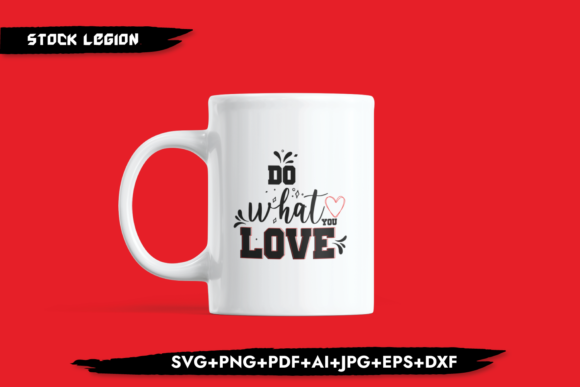
Do What You Love: A Designer’s Review for Real Embroidery
As a designer who spends more time staring at stitch simulations than I care to admit, I have learned that not all quote designs are created equal. Some look fantastic on a screen but turn into a tangled mess of thread on fabric. Others lack the personality needed to stop a scrolling customer on Etsy. When I first pulled up Do What You Love, my initial reaction was one of cautious optimism. It is a phrase we see often in the world of Crafts and Graphics, but the execution here feels different. It does not scream for attention with unnecessary flourishes; instead, it relies on clean lines and balanced spacing. For those of us creating handmade products, this subtlety is often where the real value lies.
First Impressions and Visual Personality
The mood of this design is inherently motivational yet grounded. It does not feel overly corporate or aggressively trendy. The layout suggests a modern, minimalist aesthetic that fits well within contemporary home decor and casual apparel. From a technical standpoint, the visual personality of Do What You Love appears versatile. The shapes are distinct, which is crucial for maintaining clarity once the needle hits the fabric. In my experience, designs with too many intricate details or overlapping elements often lose their definition, especially when scaled down. This design seems to respect the limitations of embroidery machines, offering smooth curves and open spaces that allow the texture of the fabric to breathe.
When evaluating a digital embroidery file, I always look for how it translates from vector to stitch. The description notes that these cutting files have been tested at the highest quality and include smooth, professional files. This is a promising sign. It suggests that the digitizer has already done the heavy lifting regarding pathing and jump stitches, which saves me hours of cleanup time in my software. For an embroidery project, time is money, and a clean file means faster production and fewer headaches.
Real-World Application: The Tote Bag Test
To truly understand how a design performs, you have to imagine it on a physical product. I recently worked on a custom order for a local bookstore owner who wanted branded tote bags for her staff. She needed something that said something about passion without being cliché. Do What You Love fit the brief perfectly. I envisioned this design centered on a heavy canvas tote bag design. The 6x6 inch dimension mentioned in the product details is ideal for this application. It is large enough to be readable from a distance but small enough to remain elegant and not overwhelm the bag’s structure.
In this scenario, I would likely use a satin stitch for the lettering to give it a raised, premium feel. The contrast between the glossy thread and the matte canvas creates a tactile experience that customers love. If I were using this for sweatshirt embroidery, I would switch to a fill stitch or a lighter density to prevent the garment from puckering. The versatility of the design allows it to transition from a sturdy tote to a soft cotton tee, provided you adjust your stabilizer and thread tension accordingly. This adaptability makes it a strong asset for any craft business looking to offer varied products without purchasing dozens of different designs.
Navigating Technical Challenges
While the design looks promising, no embroidery file is immune to user error. There are specific situations where you need to exercise caution. For instance, if you plan to use this on stretchy fabric like jersey knits for baby embroidery, you must be diligent with your stabilizer. The phrase contains both straight lines and curves, which can behave differently on unstable fabrics. I always recommend testing the design on scrap fabric first. This simple step can save you from ruining a costly garment.
Another consideration is the hoop size. While the design is optimized for a 6x6 area, ensure your machine can handle this frame comfortably. If you are working on curved surfaces like caps, you might need to resize the design slightly to fit the narrower front panel. Additionally, pay attention to stitch density. If the file is too dense for thin fabric, it will cause puckering. If it is too light for heavy denim, the background fabric might show through the letters. Always check thread color contrast. On dark fabric, a light thread is essential for readability, but on light fabric, you have more freedom to experiment with vibrant hues.
Enhancing Product Value and Brand Consistency
For Etsy sellers and small shop owners, the perceived value of a finished product is heavily influenced by the professionalism of the design. A sloppy or poorly digitized quote can make a handmade item look amateurish. Conversely, a clean, well-executed design like Do What You Love elevates the perceived quality. It signals to the buyer that care was taken in every step of the process. This builds customer trust and encourages repeat business.
From a branding perspective, this design fits seamlessly into a lifestyle-oriented brand identity. It works well for personalized gifts, such as aprons for cooking enthusiasts or pillow covers for home offices. The message is universal, which broadens your potential customer base. Whether you are creating holiday embroidery for Christmas gifts or everyday items for boutique branding, the neutral tone of the quote ensures it remains relevant year-round. This longevity is key for maximizing the return on investment for your design assets.
Practical Notes for the Professional Maker
Before you commit to stitching this design on a final product, here are a few practical steps I always take. First, verify the file formats included in the ZIP file. Ensure they are compatible with your specific embroidery machine. Second, create a printable mockup to visualize the placement. Seeing the design on a digital representation of a t-shirt or mug can help you decide if the scale is right. Third, consider the licensing. Since this is a commercial-ready file, confirm the terms for selling finished items. Most designers allow the sale of physical goods but restrict the resale of the digital embroidery file itself.
Finally, do not underestimate the power of presentation. When listing your custom apparel or embroidered patch on your online store, use high-quality photos that highlight the texture of the stitches. Show the design on different fabric textures to demonstrate its versatility. By treating Do What You Love not just as a graphic, but as a integral part of your product’s story, you can create items that resonate deeply with your audience. This approach transforms a simple quote into a meaningful connection between maker and buyer.