I Love My Realtor: A Designer’s Review for Embroidery Projects
As an embroidery designer who spends more time staring at digitized paths than I do sleeping, I have learned that not every cute graphic translates well to thread. We often browse Crafts marketplaces looking for the next big seller, and today I am taking a close, practical look at I Love My Realtor. This is not just a quick glance at a preview image; this is an evaluation of how this design holds up when you are actually hooping fabric, threading needles, and preparing a finished product for a client.
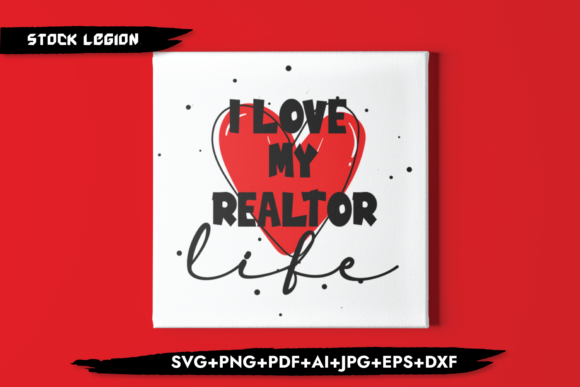
The first thing that strikes me about I Love My Realtor is its clarity. In the world of Graphics for crafters, simplicity is often king, especially when you are working with the physical limitations of an embroidery machine. The design features a bold, affectionate message that immediately signals its purpose: it is a gift of appreciation. For real estate agents, who thrive on relationships and referrals, this sentiment is gold. But does it stitch as well as it reads? Let us break it down from a technical and aesthetic perspective.
First Impressions and Visual Personality
When I unzip the file package, I am looking for clean lines and professional organization. The I Love My Realtor bundle includes a ZIP file with smooth, professional files, specifically a 6x6 inch 300 dpi transparent background PNG, along with SVG, PDF, and JPEG formats. For an embroiderer, the presence of the SVG is particularly interesting. While we primarily use proprietary embroidery file formats for our machines, having an SVG allows us to create high-quality printable mockup images for our Etsy listings or social media previews before we even stitch a single thread.
The visual personality of the design is warm and approachable. It avoids overly intricate details that often get lost in translation from screen to fabric. The layout feels balanced, suggesting that the digitizer considered the flow of the text. When I visualize this as a machine embroidery design, I imagine it working best with a combination of satin stitch for the borders or emphasis words and a clean fill stitch for any solid shapes, though the exact stitch types will depend on the specific embroidery file version you purchase or convert. The mood is celebratory yet professional, making it versatile for various contexts beyond just a simple thank-you card.
Real-World Application: The Custom Tote Bag Scenario
To truly test a design, I like to place it in a real-life scenario. Imagine a local boutique owner wants to create a line of handmade product items for closing gifts. They choose a sturdy canvas tote bag design as the base. Here is where I Love My Realtor shines. The 6x6 inch dimension is substantial enough to be noticed but compact enough to fit comfortably on the front of a standard tote without overwhelming the fabric.
In this scenario, the contrast is key. If I am stitching this onto a natural beige canvas, I need to ensure my thread colors pop. A deep navy or charcoal gray would provide excellent readability, while a pop of red for the "Love" element could add that necessary emotional warmth. Because the design is relatively open, it does not require excessive stabilizer beyond what is normally used for canvas, reducing the risk of the bag feeling stiff or board-like after washing. This is a crucial consideration for any custom apparel or accessory that needs to remain functional.
Versatility Across Products and Fabrics
Beyond tote bags, where else does this design fit? I see strong potential in sweatshirt embroidery. A crewneck sweatshirt in heather gray or black serves as a perfect backdrop. However, when moving to stretchy fabrics like fleece or jersey, I must advise caution. You must check the stitch density of the specific embroidery file you are using. If the design is too dense, it can cause puckering on soft knits. Always test on scrap fabric first. If the design includes small lettering, ensure your machine can handle the detail without thread breaks.
For those running a craft business, consider embroidered patch production. Patches are trending, and this design’s clear boundaries make it an excellent candidate for cut-and-sew or iron-on applications. It also works well for holiday embroidery projects, such as personalized ornaments or pillow covers for agents celebrating a successful year. Even in the realm of baby embroidery, if scaled down appropriately, it could work on a onesie for a "Realtor’s Baby," though you must verify the minimum size for legibility.
Technical Considerations and Potential Pitfalls
No design is without its challenges. When evaluating I Love My Realtor, I look for potential trouble spots. Small hoop sizes can be restrictive if the design is near the 6-inch limit. Ensure your machine’s maximum hoop size accommodates the full design without re-hooping, which can lead to misalignment. Additionally, curved surfaces like caps require careful positioning. The center of the design must align perfectly with the cap’s seam to avoid distortion.
Another critical factor is fabric texture. On highly textured towels or rough linen, fine details may get lost. If you are using this on a kitchen towel or tea towel, opt for thicker threads and possibly a simpler digitizing style that prioritizes boldness over intricacy. Dark fabrics present another challenge; if the design relies on light threads, you may need an underlay stitch or a white backing to prevent the fabric color from showing through the stitches. Always inspect small details and confirm that the digital embroidery file you are using is optimized for the specific material you are working with.
Commercial Value and Brand Consistency
For Etsy sellers and small shop product creators, the value of a design lies in its ability to generate sales. I Love My Realtor taps into a niche market with high disposable income and a culture of gifting. Real estate professionals frequently exchange gifts with clients and colleagues. By offering this as a personalized gift option, you increase the perceived value of your embroidery project.
However, professionalism is paramount. A sloppy stitch-out reflects poorly on your brand. Ensure that your commercial embroidery standards are high. Check thread tension, trim jumps cleanly, and press the finished item properly. The inclusion of PDF and JPEG files in the package also allows you to create cohesive marketing materials, ensuring your brand consistency across digital and physical products. This holistic approach helps build customer trust and encourages repeat business.
Final Designer Notes and Best Practices
Before you commit to a large batch of I Love My Realtor items, follow these practical steps. First, always test the design on scrap fabric that matches your final product in weight and weave. Second, review the license terms. While the product description mentions it is for Crafts and includes various file types, you must confirm whether the license allows for unlimited commercial sales of finished physical items or if there are restrictions on digital resale. Never assume; always read the fine print.
Compare how the design looks on both light and dark backgrounds. Use black and white mockups to check for contrast issues. If you are converting the SVG to an embroidery file yourself, pay attention to the stitch direction and density settings. A well-digitized file will minimize thread breaks and maximize speed. Finally, consider the end-user. Will this design appeal to their sense of style? Is it something they would proudly wear or display?
In conclusion, I Love My Realtor is a solid addition to any designer’s library. It is versatile, emotionally resonant, and technically manageable for most intermediate to advanced embroiderers. By paying attention to fabric choice, stabilizer use, and stitch quality, you can transform this simple graphic into a high-value finished product that delights customers and boosts your craft business revenue. Happy stitching!