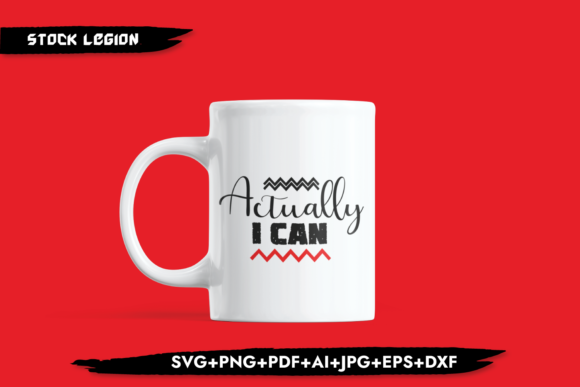
Actually I Can: A Designer’s Review for Embroidery Projects
As an embroidery designer who has spent years digitizing patterns and testing them on everything from delicate silk to heavy denim, I have developed a keen eye for what makes a design work in the real world. It is not just about how it looks on a screen; it is about how it translates into thread, how it handles different fabric textures, and ultimately, how it resonates with the person receiving the finished product. Recently, I took a close look at Actually I Can, an inspirational quote design that has been gaining traction among crafters and small business owners. This review breaks down my practical experience evaluating this graphic for real-world application, focusing on its viability for commercial embroidery projects, personalized gifts, and boutique merchandise.
First Impressions: Mood and Visual Personality
The first thing that strikes you about Actually I Can is its confident, understated tone. In a market saturated with overly ornate scripts and complex illustrative elements, this design stands out for its clarity. The layout is clean, relying on strong typography to convey its message. For an embroidery project, this simplicity is often a strength rather than a weakness. Complex designs can sometimes get lost in the translation from digital file to stitched reality, especially when dealing with the natural texture of thread.
The visual personality here is modern and empowering. It feels appropriate for a wide demographic, from young adults seeking motivation to parents looking for subtle encouragement. When I visualized this as a machine embroidery design, I immediately thought of its versatility. It does not scream for attention with excessive detail, which means it can sit comfortably on various items without overwhelming the base material. Whether you are creating a custom apparel line or a set of holiday gifts, the mood is universally positive and approachable.
Real-World Application: From Sweatshirts to Tote Bags
To truly evaluate a design, you have to imagine it in situ. I pictured Actually I Can stitched onto a high-quality cotton tote bag. The clean lines of the text would contrast beautifully against the woven texture of the canvas. Using a satin stitch for the lettering could provide a nice sheen, making the words pop against the matte fabric. Alternatively, a fill stitch might offer a more textured, vintage feel, depending on the desired aesthetic.
Another strong candidate for this design is sweatshirt embroidery. Hoodies and crewnecks are staples in any craft business, and buyers often look for designs that are legible but not overly bulky. Because Actually I Can relies on typographic structure, it scales well. On a chest placement, it serves as a subtle reminder of capability. On the back, it becomes a bold statement piece. I also considered its use on baby embroidery projects, such as a onesie or a nursery wall hanging. The message is gentle yet firm, making it a thoughtful personalized gift for new parents navigating the challenges of raising a child.
For Etsy sellers and small shop owners, this graphic offers excellent potential for product diversification. It works equally well as an embroidered patch, which can be ironed or sewn onto jackets, bags, or hats. Patches are a low-risk way for customers to try out a brand’s aesthetic, and a clear, readable quote like this performs exceptionally well in that format. Additionally, it fits seamlessly into holiday embroidery collections, particularly for New Year’s resolutions or back-to-school themes where motivation is key.
Technical Considerations and Stitching Clarity
While the design is visually appealing, a professional designer must look at the technical execution. The product description notes that the download includes SVG, PNG, and PDF files, along with a 6x6 inch image at 300 dpi. However, it is crucial to note that these are primarily graphics files. If you are planning to use this for machine embroidery, you will need to ensure you have the proper digitized embroidery file format compatible with your machine, or be prepared to digitize it yourself using the provided vectors as a guide.
Stitch density is a critical factor here. With typographic designs, there is a risk of creating dense areas where letters overlap or where serifs are too tight. If you are digitizing this or adjusting an existing file, pay close attention to the underlay stitches. A proper stabilizer is non-negotiable, especially if you are working with stretchy fabrics like jersey knits for t-shirts or caps. Without adequate stabilization, the text could pucker, ruining the clean lines that define the design’s appeal.
I also recommend testing the design on scrap fabric before committing to a final product. Check how the thread colors interact with the fabric texture. High-contrast combinations, such as white thread on navy blue, will highlight any imperfections in stitch alignment. Conversely, tonal stitching, like grey on black, can hide minor inconsistencies but may reduce readability. Always inspect small details and sharp corners. If the design includes fine serifs or thin lines, ensure your needle size and thread weight are appropriate to prevent breakage or shredding.
Navigating Fabric and Hoop Constraints
Not every surface is ideal for every design. While Actually I Can is versatile, there are scenarios where caution is advised. For instance, curved surfaces like caps require careful hoop placement. The text must be centered perfectly to avoid distortion around the curve. Similarly, textured fabrics like terry cloth or heavy wool can obscure fine details. In these cases, consider using an applique design technique where a solid fabric shape backs the text, ensuring legibility regardless of the base material’s pile.
Dark fabrics present another challenge. If you are stitching light-colored thread on dark fabric, you must ensure sufficient coverage to prevent the background from showing through. This might require adjusting the stitch density or adding an additional underlay layer. For thin or delicate fabrics, such as silk blouses or lightweight summer dresses, the weight of the embroidery could cause dragging. In such instances, a running stitch outline might be more appropriate than a heavy fill, preserving the drape of the garment while still delivering the message.
Commercial Value and Brand Consistency
For commercial embroidery and digital product sellers, the value of a design lies in its ability to enhance brand consistency and customer trust. Actually I Can exudes professionalism. It does not look like a clip-art afterthought; it looks intentional. This perception of quality translates directly to perceived value. Customers are more likely to pay a premium for a handmade product that looks polished and well-executed.
When creating printable mockups or digital embroidery file previews, this design’s clean lines make it easy to photograph and present. It photographs well because it lacks chaotic elements that can distract the eye. For boutique branding, using a consistent typographic style across different products helps build recognition. If this design aligns with your shop’s voice—empowering, modern, and clean—it can become a staple in your inventory.
However, always confirm licensing terms before selling finished items or digital products. The provided files include SVG and PNG formats, which are standard for cutting machines and graphic design, but verify if the license extends to commercial embroidery sales. Ethical practice in the craft community requires respecting intellectual property, so double-check the specific usage rights associated with this download.
Final Verdict for Makers and Designers
In conclusion, Actually I Can is a strong contender for your next embroidery project. Its strength lies in its simplicity and emotional resonance. It is not just a graphic; it is a statement that lends itself well to various applications, from custom apparel to home decor. By paying attention to technical details like stabilizer choice, stitch density, and fabric compatibility, you can ensure that the final product matches the high potential of the design.
For hobbyists, it is an accessible project that yields impressive results. For professional designers and Etsy sellers, it is a reliable asset that can drive engagement and sales. Test it, tweak it to suit your specific machine and materials, and watch how it elevates your handmade offerings. The right design, executed with care, turns a simple piece of fabric into a meaningful keepsake.