Coffee and Books: A Designer’s Review for Embroidery
As an embroidery designer who spends more time staring at stitch simulations than I care to admit, I have learned that not all digital assets translate well to thread. Some designs look stunning on a screen but turn into a tangled mess of bobbin thread on fabric. That is why I approach every new machine embroidery design with a critical eye, looking past the pretty preview to understand how it will actually behave under the needle. Recently, I evaluated the Coffee and Books design, a piece rooted in the Crafts and Graphics categories, to see if it holds up for real-world production.
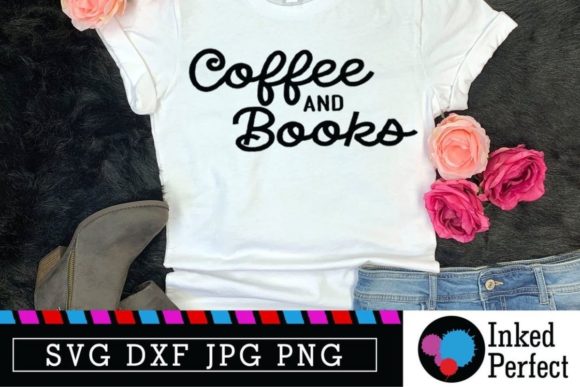
The first impression of Coffee and Books is one of cozy familiarity. It taps into a cultural mood that is currently very popular: the quiet joy of reading with a warm drink in hand. Visually, the layout balances text and iconography in a way that feels intentional rather than cluttered. For those of us creating handmade products, this thematic clarity is crucial. Customers do not just buy an embroidered item; they buy into an identity. This design speaks directly to the bookworm, the caffeine enthusiast, and the person who values slow mornings. It is not just a pattern; it is a statement piece for a personalized gift.
Real-World Application and Fabric Choice
To truly test the viability of this design, I imagined a specific project scenario: a custom canvas tote bag for a local independent bookstore. Tote bags are a staple for Etsy sellers and small shop products because they are practical, affordable to produce, and serve as walking advertisements. The Coffee and Books quote fits perfectly here. The horizontal nature of the text suggests it would sit nicely across the upper third of a bag, avoiding the bottom where wear and tear are most common.
However, the success of this embroidery project depends heavily on fabric selection. Canvas provides a stable base, allowing the stitches to sit flat without puckering. If you were to attempt this on a thinner material, such as a lightweight cotton tee, you would need to be much more careful. The design includes lettering, which requires precision. On stretchy fabrics, even a slight pull can distort the letters, making them unreadable. In such cases, using a cut-away stabilizer is non-negotiable. For a sweatshirt or hoodie, which are popular for custom apparel, a tear-away stabilizer might suffice if the fabric is thick enough, but I always recommend testing on scrap fabric first.
Stitching Clarity and Detail Management
One of the biggest challenges in embroidery is maintaining clarity in small details. When reviewing Coffee and Books, I looked closely at the intersection of the text and any accompanying graphic elements. In many quote-based designs, the spacing between letters can be tight. If the stitch density is too high, the threads will overlap excessively, leading to a stiff, cardboard-like feel on the back of the fabric. This is uncomfortable for wearable items like t-shirts or baby clothes.
If this design utilizes a mix of satin stitch for borders and fill stitch for larger areas, it is essential to check the transition points. Satin stitches are beautiful for outlining cups or books, providing a smooth, glossy finish, but they can snag if they are too long without a tack-down stitch. Running stitches, often used for finer details or underlay, help anchor the design to the fabric. As a designer, I advise checking the simulation view in your software to ensure there are no excessive jumps or trims, which can increase production time and the risk of thread breaks.
For those considering this for an embroidered patch, the dynamics change slightly. Patches are often densely stitched on twill fabric. In this context, the Coffee and Books design would need to be scaled appropriately. If the text becomes too small, the individual stitches may merge, causing the letters to lose their shape. Always verify the minimum hoop size required. While I cannot specify the exact dimensions without the file data, a standard 4x4 or 5x7 hoop is typical for this type of quote design. Ensure your machine’s hoop capacity matches the design before purchasing.
Commercial Viability and Brand Consistency
For craft business owners and commercial embroidery professionals, consistency is key. You need designs that reproduce reliably across hundreds of units. The Coffee and Books theme is versatile enough to fit into various product lines. It works for holiday embroidery gifts, such as Christmas presents for teachers or librarians. It also suits year-round small shop merchandise. The neutral theme means it does not date quickly, unlike seasonal motifs.
Visual appeal drives sales. A clean, well-digitized design enhances the perceived value of the finished product. If the stitching is crisp and the thread colors are chosen wisely, the item looks professional. For example, using a rich brown thread for the coffee element and a deep navy or black for the text creates a sophisticated contrast on a cream-colored tote. Conversely, low-contrast combinations, such as light gray on white, may cause the design to disappear, especially from a distance. Always test your color choices on both light and dark fabrics. A printable mockup can help visualize this, but nothing beats a physical sample.
When selling on platforms like Etsy, your product photos must highlight the texture of the embroidery. The Coffee and Books design should be photographed in a lifestyle setting—perhaps next to an actual book and a mug—to reinforce the narrative. This contextual storytelling increases buyer engagement and helps customers imagine the item in their own lives.
Practical Notes for Designers and Makers
Before you commit to producing a large batch of items using this digital embroidery file, take these practical steps:
- Test on Scrap Fabric: Always stitch out the design on the same type of fabric you intend to use for the final product. This reveals issues with tension, density, and registration.
- Check Thread Contrast: Ensure the text is legible. High contrast between the thread and the fabric background is essential for readability.
- Review Stitch Density: If the design feels too stiff after stitching, consider reducing the density in your editing software or switching to a lighter weight fabric.
- Confirm Hoop Size: Verify that the design fits within your available hoops without requiring re-hooping, which can lead to misalignment.
- Inspect Small Details: Zoom in on the digitized file to check for tiny, isolated stitches that may not hold well during washing.
- Licensing Verification: Crucially, confirm the license terms. Can you sell finished items made with this design? Can you use it for design assets in marketing? Never assume; always read the license included with the embroidery file.
In conclusion, Coffee and Books is a strong contender for makers looking to tap into the literary and café culture market. It offers a blend of warmth and style that resonates with a broad audience. However, its success lies in the execution. By paying attention to fabric choice, stabilizer use, and stitch quality, you can transform this digital graphic into a tangible, high-quality handmade product. Whether you are creating a tote bag design for a friend or stocking your online store with sweatshirt embroidery, this design provides a solid foundation for a successful project. Just remember to respect the technical limits of your machine and materials, and the results will speak for themselves.