Wickedly Cute: A Designer’s Take on Halloween Embroidery
As an embroidery designer who has spent countless hours digitizing and stitching out seasonal motifs, I approach new design assets with a mix of curiosity and skepticism. We all know that what looks crisp on a screen does not always translate cleanly to thread. When I first encountered Wickedly Cute, part of the "This Is My Halloween Cutie Sublimation Bundle," my immediate reaction was to look past the marketing fluff and assess its viability for real-world stitch work. This is not just about downloading a file; it is about understanding how a graphic translates into a tangible, high-quality handmade product.
First Impressions: Mood and Visual Personality
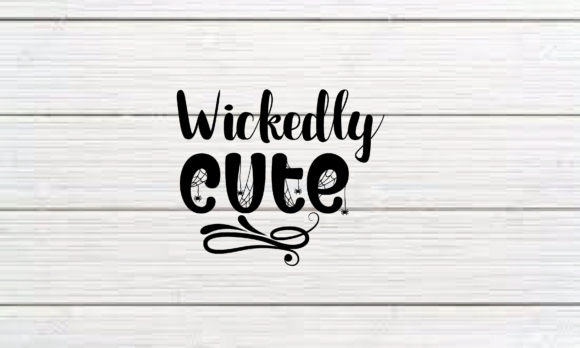
The name itself sets a specific tone. "Wickedly Cute" suggests a balance between spooky and sweet, a aesthetic that dominates the modern Halloween market. For Etsy sellers and craft business owners, this niche is gold. The design features a playful, approachable vibe rather than anything genuinely terrifying. In terms of layout, the shapes appear bold and distinct, which is crucial for embroidery. Delicate, wispy lines often get lost in thread, but strong silhouettes hold up well under the needle.
From a visual standpoint, the mood is inviting. It feels appropriate for a wide demographic, from toddlers to adults who enjoy whimsical holiday decor. This versatility is key when you are building a small shop product line. You want a design that can sit comfortably on a baby onesie just as easily as it does on a trendy tote bag. The visual personality here leans toward friendly and festive, making it a safe yet engaging choice for holiday embroidery projects.
Real-World Application: From Screen to Stitch
Let’s talk about practical application. I recently considered using a similar motif for a custom sweatshirt embroidery project for a client’s boutique. The challenge with any graphic, especially one sourced from a sublimation bundle, is understanding its origin. The product description notes that Wickedly Cute comes as AI and EPS files in CMYK color mode at 300 DPI. This tells me immediately that these are vector graphics intended for print or sublimation, not pre-digitized machine embroidery design files.
For an embroiderer, this is a critical distinction. You cannot simply load an EPS file into your embroidery machine. You must digitize it yourself or hire a digitizer. However, having the vector source is a massive advantage. It allows you to clean up paths, adjust nodes, and ensure that the curves are smooth before converting them into stitch data. If you are creating a tote bag design or a sturdy embroidered patch, starting with a clean vector means you have full control over the final stitch placement.
In a real-life scenario, imagine preparing a set of personalized gifts for a fall family reunion. You choose this design for matching custom apparel. Because the shapes in Wickedly Cute are likely solid and defined, they lend themselves well to fill stitch areas. You can play with texture by using different fill patterns—perhaps a satin border around a dense tatami fill—to give the design depth. This level of customization is what separates a generic product from a professional finished product.
Navigating Technical Challenges
While the design is appealing, there are areas where caution is necessary. Since this is originally a Graphics asset for sublimation, it may contain gradients or subtle color shifts that do not translate to thread. Embroidery relies on solid thread colors. You will need to simplify the color palette. I recommend testing the design in black and white mockups first to ensure the contrast holds up without relying on shading.
Stitch density is another major consideration. If you are stitching on a stretchy fabric like a jersey t-shirt or a lightweight baby garment, heavy fill stitches can cause puckering. In such cases, consider scaling down the design or using an applique technique. An applique design approach would involve stitching a outline, placing a piece of contrasting fabric, and then stitching over it. This reduces bulk and keeps the handmade product soft and wearable, which is essential for baby embroidery items.
Furthermore, pay attention to hoop size constraints. If you are working on a curved surface like a cap, a large, dense design can be difficult to hoop properly. Break the design into smaller elements if possible, or ensure your stabilizer strategy is robust. Using a cut-away stabilizer for stretchy fabrics and a tear-away for woven materials like cotton tote bags will make a significant difference in the final presentation.
Enhancing Product Value and Brand Consistency
Why choose Wickedly Cute over other available assets? The answer lies in brand consistency and customer trust. When buyers see clean, well-executed embroidery, they perceive higher value. A messy stitch-out with pulled threads or poor registration damages your reputation as a professional. By starting with a high-resolution vector from a reputable bundle, you minimize the risk of pixelation or jagged edges during the digitizing phase.
This design fits seamlessly into a broader Crafts category, allowing you to create cohesive collections. Imagine pairing this embroidered item with matching printed goods using the same source file. This cross-promotion strengthens your brand identity. For digital embroidery file sellers, offering a well-digitized version of this popular graphic can drive significant engagement. Buyers are always looking for fresh, seasonal design assets that are ready to stitch.
Practical Designer Notes for Success
Before you commit to a large production run, follow these steps to ensure quality:
- Test on Scrap Fabric: Always stitch out a test sample on the same material you intend to use for the final product. Check for puckering, thread breaks, and color accuracy.
- Check Thread Contrast: Ensure your chosen thread colors stand out against the fabric. High contrast improves visibility and impact, especially for holiday gifts that might be viewed in dim lighting.
- Review Stitch Density: Adjust your digitizing software settings to match the fabric weight. Lower density for knits, higher density for stable wovens.
- Confirm Licensing: The product description mentions it is part of a bundle. Verify whether the license allows for commercial use of the digitized embroidery. Some licenses permit selling physical items but restrict selling the digital file itself.
- Inspect Small Details: Tiny elements may need to be merged or enlarged to prevent them from becoming loose threads after washing.
In conclusion, Wickedly Cute offers a strong foundation for creative embroidery project work. Its playful aesthetic appeals to a broad audience, and its vector format provides the flexibility needed for professional digitizing. By respecting the technical limitations of embroidery and applying thoughtful digitizing practices, you can transform this graphic into a standout personalized gift or a best-selling small business merchandise item. The key is not just in the download, but in the careful translation from pixel to stitch.