Reviewing the Magical Unicorn Design for Real Embroidery
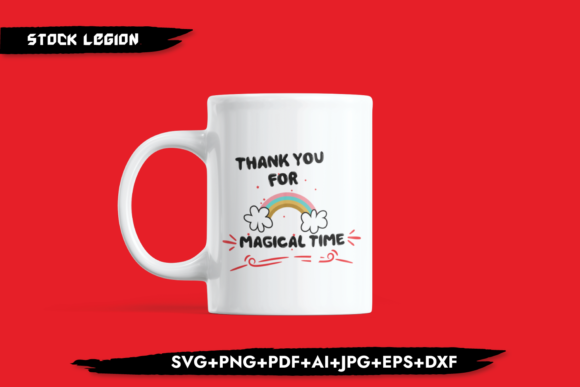
As a designer who spends more time staring at stitch maps than I do sleeping, I have learned that not every cute graphic translates well to thread. We see thousands of designs labeled as "ready to stitch," but the gap between a digital preview and a finished handmade product can be vast. Recently, I pulled the Thank You for a Magical Time design into my workspace to evaluate its potential for actual client projects. This isn't just about whether it looks good on a screen; it is about how it behaves under the needle.
The first impression of this piece is undeniably cheerful. The theme leans heavily into whimsy, utilizing a unicorn motif paired with a gratitude-focused quote. For those of us in the Crafts sector, specifically those selling personalized items, this combination hits a sweet spot. It feels appropriate for birthday parties, end-of-year teacher gifts, or farewell presents for colleagues who bring a bit of lightness to the office. However, charm alone does not make a viable embroidery project. We need to look at the structure.
Visual Layout and Stitching Potential
The design arrives as a ZIP file containing a mix of formats: a 6x6 inch PNG with a transparent background at 300 dpi, an SVG, a PDF, and presumably the necessary embroidery files within that package. As a reviewer, I appreciate the inclusion of vector and high-resolution raster files. These are crucial for creating professional printable mockup assets for your online store before you even stitch a single thread. Being able to place the design on a digital t-shirt or tote bag mockup helps customers visualize the finished product, which increases conversion rates for any Etsy seller.
When examining the layout for stitching, the balance between the text and the unicorn graphic is key. In embroidery, text can be tricky. If the font is too thin, it disappears into the fabric texture. If it is too dense, it creates a stiff, cardboard-like feel. Based on the visual weight of the preview, this design seems to favor bold, readable lettering. This is a smart choice for a machine embroidery design intended for gifts, where readability from a distance matters. The unicorn element likely serves as an anchor, drawing the eye before the viewer reads the message.
Real-World Application: The Tote Bag Test
To truly test a design, I imagine it on specific substrates. Let’s consider a canvas tote bag design. Canvas is forgiving, but it has a visible weave. A design like Thank You for a Magical Time works well here because the subject matter suggests utility and fun. Imagine this stitched on a natural cotton tote for a child’s birthday party favor. The thread colors would need to pop against the neutral background. Pastels might get lost, so I would recommend using vibrant purples, pinks, or teals to maintain the "magical" vibe while ensuring contrast.
Another strong candidate is sweatshirt embroidery. Hoodies and crewnecks are staple items for small shops. However, fleece and french terry fabrics are thick and plush. Here, the design’s complexity matters. If the unicorn horn or the letters rely on tiny satin stitch details, they might sink into the pile of the fabric. I would advise using a cut-away stabilizer to support the weight of the stitches and prevent puckering. For a custom apparel piece like this, the durability of the stitch-out is just as important as the initial look.
Navigating Fabric and Hoop Constraints
One must be realistic about limitations. The file description mentions a 6x6 inch dimension. This is a standard hoop size, but it limits where you can place the design. You cannot easily put this on a curved surface like a baseball cap unless you have a specialized cap frame and the design is scaled down significantly. Even then, the text might become illegible if shrunk too much. Always check the minimum recommended size in the included documentation.
Fabric choice is equally critical. On thin or stretchy materials, such as jersey knits for baby embroidery items, this design requires careful handling. A heavy fill stitch area in the unicorn’s body could cause the fabric to gather or distort. In these cases, I always recommend testing on scrap fabric first. Use a lightweight tear-away stabilizer for woven cottons, but switch to a soft cut-away for knits to ensure the personalized gift remains comfortable to wear. If the design includes very fine lines or running stitch outlines, avoid dark, textured fabrics where these details might vanish.
Commercial Viability and Brand Consistency
For commercial embroidery professionals and craft business owners, consistency is king. Using a cohesive set of design assets helps build brand recognition. If your shop specializes in whimsical, magical themes, this design fits perfectly. It allows you to create a cohesive collection that might include matching embroidered patch options, kitchen towels, or nursery decor. The versatility of the file formats—SVG for cutting machines and PNG for sublimation or printing—means you can offer mixed-media products. This expands your inventory without requiring entirely new design work.
However, transparency regarding licensing is vital. Before listing this as a small shop product, confirm the license terms provided in the ZIP file. Most designers allow the sale of physical finished items, but restrictions often apply to sharing the digital file itself. Respecting these terms protects your business reputation and supports the creative community.
Practical Designer Notes for Best Results
To get the most out of this digital embroidery file, follow these practical steps:
- Test Stitch First: Never run a new design on your final garment. Use a similar scrap fabric to check tension and density.
- Check Contrast: View the design in black and white. If the details blend together, adjust your thread palette to ensure distinct separation between the text and the graphic.
- Stabilizer Selection: Match your stabilizer to your fabric. Heavy designs need strong support; delicate fabrics need soft, flexible backing.
- Hoop Placement: Ensure the 6x6 area fits comfortably within your machine’s maximum hoop size, leaving room for clamping.
- Thread Quality: Use high-quality rayon or polyester threads to reduce breakage, especially in dense areas of the unicorn design.
In conclusion, Thank You for a Magical Time is a solid addition to a crafter’s library, provided it is used with intention. It shines brightest on stable, medium-weight fabrics where its cheerful message can be read clearly. Whether you are creating holiday embroidery gifts or stocking your online store with unique Graphics-based merchandise, this design offers a blend of sentiment and style. Just remember that the magic lies not just in the file, but in the care taken during the stitching process.