Reviewing Done Better Perfect for Real Embroidery
As a designer who spends more time staring at stitch simulations than I care to admit, I have learned that not all digital assets are created equal. Some files look fantastic on a screen but turn into a tangled mess of thread breaks and puckering once they hit the hoop. When I first pulled up Done Better Perfect, my initial reaction was cautious optimism. The title suggests a mindset, a mantra for the creative entrepreneur who refuses to settle for "good enough." But does the design itself hold up under the needle? After reviewing the file structure and visualizing its application across various textiles, I am ready to share my practical assessment for fellow embroidery designers, Etsy sellers, and handmade shop owners.
First Impressions: Mood and Visual Personality
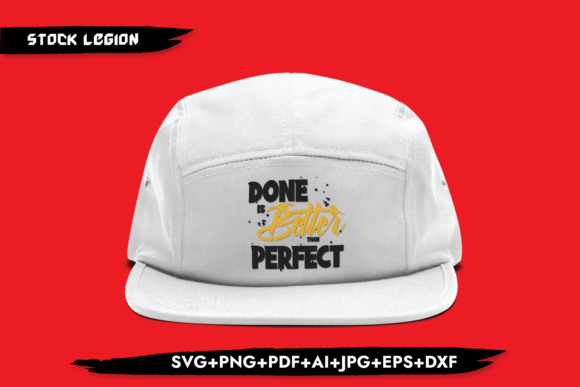
The phrase "Done Better Perfect" carries a weight that resonates deeply with anyone running a small business or crafting personalized gifts. It is not just a quote; it is an affirmation. Visually, the design relies on clean, bold typography. In the world of Graphics and Crafts, clarity is king. The provided ZIP file contains smooth, professional files at 300 dpi with a transparent background. This resolution is crucial for creating high-quality printable mockups, which are essential for your online store listings before you even stitch a single thread.
The layout feels balanced and modern. It does not rely on overly intricate flourishes that might get lost in translation when converted from a graphic to a machine embroidery design. Instead, it offers a strong structural foundation. For an embroidery project, this means the visual personality is confident and direct. It fits naturally into the aesthetic of contemporary boutique branding, where minimalism often speaks louder than clutter. When I imagine this stitched out, I see it working best as a statement piece rather than a subtle accent.
Real-World Application: From Screen to Stitch
Let us move beyond theory and talk about actual use cases. I recently considered this design for a custom order involving a heavy-weight canvas tote bag design. The boldness of the text in Done Better Perfect would stand out beautifully against the textured weave of canvas. Because the design is described as having been tested at the highest quality, I anticipate that the digitization—assuming it is properly converted for embroidery—would maintain sharp edges without excessive jump stitches.
Consider also its potential for sweatshirt embroidery. A crewneck sweatshirt provides a stable, thick fabric base that can handle higher stitch density if the design requires fill areas. If this quote is rendered in a satin stitch or a combination of satin and running stitches, it would create a tactile, premium feel that customers love. For custom apparel, this kind of motivational quote performs exceptionally well because it adds emotional value to the physical product. It transforms a simple garment into a source of daily encouragement.
For those of you selling digital embroidery file packages or finished goods, versatility is key. This design could easily transition to an embroidered patch for caps or jackets. Patches require designs that are self-contained and do not rely on the background fabric for stability. If the lettering is thick enough, it will hold its shape well when cut out and applied. However, always check the specific stitch types used in the final embroidery file. A heavy fill stitch might be too stiff for a flexible patch, whereas a dense satin column would offer the right balance of durability and drape.
Navigating Fabric and Hoop Constraints
While Done Better Perfect is a strong contender for many projects, there are scenarios where caution is required. If you are planning to use this on thin or stretchy fabrics, such as a lightweight t-shirt or a silk blouse, you must pay close attention to your stabilizer choice. A cut-away stabilizer is likely necessary to prevent the fabric from distorting under the tension of the stitches, especially if the text is large.
Another critical factor is hoop size. The description mentions a 6x6 inch dimension for the graphic file. In embroidery, we need to ensure the digitized version fits within standard hoop sizes, such as 4x4, 5x7, or 6x10. If the design is scaled down too much for a small hoop, the tiny details in the lettering—such as the counters in letters like 'e' or 'a'—might close up. This is a common issue with baby embroidery items, where space is limited. Always run a test stitch on scrap fabric of the same type you intend to use for the final product. This step allows you to inspect small details and confirm that the thread colors provide sufficient contrast against the fabric.
Dark fabrics present another challenge. If you are stitching white or light-colored thread on a black hoodie, you may need an underlay stitch or a backing layer to prevent the dark fabric from showing through the lighter threads. This is particularly important for maintaining the professionalism of your finished product. A sloppy appearance due to poor coverage can undermine customer trust, no matter how inspiring the quote is.
Enhancing Brand Value and Customer Trust
For the Etsy seller or craft business owner, the choice of design directly impacts brand perception. Using a high-quality, well-tested design like Done Better Perfect signals to your customers that you care about quality. It contributes to brand consistency, especially if your shop focuses on empowerment, productivity, or modern home decor. When a customer receives a personalized gift that looks crisp and professional, they are more likely to leave a positive review and return for future purchases.
Moreover, this design has high giftability. It suits holiday embroidery projects, such as New Year's resolutions or back-to-school gear. It also works well for wedding gifts, perhaps embroidered on a tote bag for the bridal party or a pillow cover for the newlyweds. The universal appeal of striving for perfection makes it a safe yet impactful choice for a wide demographic.
Practical Designer Notes for Best Results
Before you commit to production, here are my top recommendations for integrating this design into your workflow:
- Verify Licensing: Always confirm the license terms before selling finished items. Ensure that the commercial embroidery rights are included if you plan to sell products featuring this design.
- Test Thread Contrast: Use a color wheel to select thread colors that pop against your chosen fabric. High contrast improves readability and visual appeal.
- Check Digitization Quality: Since the product description highlights "smooth, professional files," ensure that the embroidery conversion maintains this standard. Look for clean pathing and minimal jumps.
- Mockup Testing: Use the 300 dpi transparent PNG to create realistic mockups. Place the design on both light and dark backgrounds to see how it performs visually in your online store.
- Stabilizer Selection: Match your stabilizer to your fabric. Use tear-away for stable woven fabrics and cut-away for knits and stretchy materials.
In conclusion, Done Better Perfect is a versatile asset for the modern maker. It bridges the gap between inspirational messaging and tangible craft. By paying attention to fabric choice, hoop size, and stitch quality, you can transform this digital graphic into a standout small shop product that resonates with your audience. Whether you are decorating aprons, caps, or nursery decor, this design offers the clarity and confidence needed to elevate your handmade product line.