Reviewing Obsessive Christmas Disorder for Stitchers
As a designer who has spent countless hours digitizing and stitching out holiday motifs, I approach every new machine embroidery design with a mix of curiosity and skepticism. The market is flooded with seasonal graphics, but few translate well from screen to fabric. When I first encountered Obsessive Christmas Disorder, my initial reaction was driven by its typographic personality. It promises a playful, slightly chaotic energy that fits perfectly into the modern craze for humorous holiday apparel. But as any experienced embroiderer knows, a clever quote is only half the battle. The real test lies in how the design behaves under the needle.
First Impressions and Visual Personality
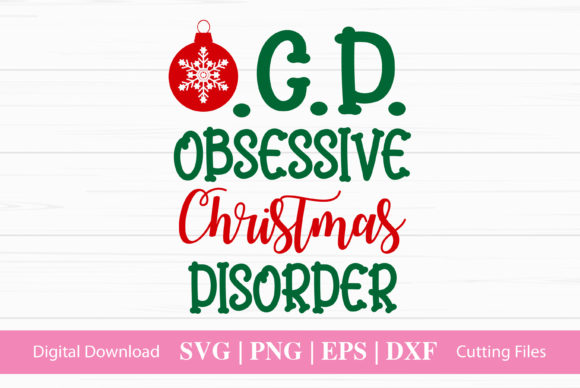
The concept behind Obsessive Christmas Disorder leans heavily into the relatable stress and excitement of the season. Visually, it suggests a layout that balances readability with decorative flair. For those of us in the Crafts sector, particularly those selling design assets, the mood is crucial. This isn’t a traditional, serene nativity scene; it’s energetic. It appeals to the buyer who wants their holiday gear to have a voice. The typography likely features varied weights or playful distortions to mimic that "disordered" feeling. In terms of Graphics, this kind of design needs clean vector lines to ensure that when it is converted into an embroidery file, the curves remain smooth and the corners sharp.
I imagine this design working best where text is the hero. It doesn’t need complex shading or photorealistic elements. Instead, it relies on the strength of the message. For a reviewer, this means looking closely at letter spacing. If the letters are too tight, they will merge during stitching. If they are too loose, the phrase loses its impact. The visual appeal here is in the balance between chaos and legibility.
Real-World Application: The Holiday Sweatshirt Test
To truly evaluate Obsessive Christmas Disorder, I mentally place it on a standard crewneck sweatshirt. This is perhaps the most common canvas for holiday humor. A sweatshirt embroidery project requires careful consideration of fabric texture. Fleece and cotton blends are thick and plush, which can swallow small details. If this design includes fine serifs or tiny decorative elements, they might get lost in the pile of the fabric. However, if the design utilizes bold, sans-serif lettering or thick satin stitch borders, it will pop beautifully against the textured background.
Imagine a customer browsing an Etsy seller’s shop in November. They are looking for a personalized gift that stands out. A plain red sweater is nice, but one emblazoned with Obsessive Christmas Disorder tells a story. It creates an instant connection. For the craft business owner, this translates to higher perceived value. It’s not just a shirt; it’s a conversation starter. The key is ensuring the thread colors contrast sufficiently with the garment. A white thread on a heather gray sweatshirt might look subtle and classy, while bright red on black offers high visibility and festive punch.
Navigating Technical Challenges in Stitching
While the concept is strong, the execution requires technical vigilance. Since the product description notes this is a DIGITAL DOWNLOAD intended for sublimation and creative themes, we must assume the user will need to digitize it or purchase a pre-digitized version specifically for embroidery. If you are working with the SVG for sublimation, remember that print and stitch are different beasts. When adapting this for custom apparel, pay attention to stitch density.
Large blocks of text filled with dense fill stitch can make fabric stiff and pucker easily. This is especially problematic on thinner materials like t-shirts or tote bag design fabrics. To mitigate this, I recommend using a lighter fill pattern or incorporating running stitch outlines to define the letters without adding excessive bulk. If the design includes any intricate swirls or icons alongside the text, these should be simplified. Tiny details often break or look messy after washing.
Another critical factor is the hoop size. Ensure the design fits comfortably within your machine’s maximum hoop area without requiring excessive re-hooping, which can lead to alignment errors. For a phrase like Obsessive Christmas Disorder, a rectangular hoop is ideal. Always use a appropriate stabilizer. For stretchy fabrics like jersey knits used in baby embroidery or caps, a cut-away stabilizer is non-negotiable to prevent distortion over time.
Where to Use It Carefully
Not every product is suitable for this type of graphic-heavy design. Avoid using it on curved surfaces like embroidered patch projects for caps unless the design is narrow. Wide text across a curved cap brim or front panel can warp visually. Similarly, be cautious with dark fabrics if the design relies on thin lines. Light-colored threads on dark fabric require excellent tension settings to avoid seeing the backing material through the stitches.
If you are creating a small shop product line, consider the washability. Items like kitchen towel sets or aprons undergo frequent laundering. Dense stitching holds up well, but if the design has many jump stitches or loose ends, they may unravel. Always trim jump threads meticulously and consider using a mesh backing for extra stability on items that will be washed often.
Enhancing Brand Consistency and Sales
For the commercial embroidery professional, consistency is key. Using Obsessive Christmas Disorder across a range of products—from pillow covers to blankets—can create a cohesive holiday collection. The humorous tone appeals to a specific demographic: young adults, parents, and anyone who enjoys a bit of self-deprecating holiday humor. By offering this design on various handmade product types, you broaden your market reach.
When creating printable mockup images for your online store, show the design in context. Display it on a cozy chair, a wrapped gift, or worn by a model laughing. This helps buyers visualize the finished product in their own lives. High-quality photos combined with a well-stitched design build customer trust. Buyers can spot poor digitization from a mile away. Clean edges, consistent tension, and no puckering signal professionalism.
Practical Designer Notes for Success
Before you commit to a large production run or list this as a premium item, follow these practical steps:
- Test on Scrap Fabric: Always stitch out a sample on the exact fabric type you plan to sell. Fabric behavior varies wildly between brands and blends.
- Check Thread Contrast: View your design in black and white to ensure the shapes are distinct even without color. This helps in choosing effective thread palettes.
- Review Stitch Density: If the design feels heavy, reduce the density in your digitizing software. Less is often more when it comes to comfort and drape.
- Confirm Licensing: Since this is a digital asset, verify the license terms. Can you sell finished physical items? Can you resell the digital file? Clarity here protects your small business from legal issues.
- Inspect Small Details: Zoom in on the stitched sample. Are the corners sharp? Are the curves smooth? Adjust pull compensation if necessary.
In conclusion, Obsessive Christmas Disorder offers a fun, contemporary angle on holiday decor and apparel. Its success depends entirely on thoughtful execution. By respecting the limitations of the medium and focusing on quality stitching, you can transform a simple digital graphic into a cherished holiday embroidery piece. Whether for a wedding gift, a boutique display, or a personal Christmas tradition, this design has the potential to delight—if handled with care.