Reviewing Creative New Halloween House for Embroidery
As a designer who spends more time staring at stitch simulations than I do sleeping, I have learned that not every graphic translates well to thread. When I first pulled up the Creative New Halloween House, my initial reaction was cautious optimism. The visual appeal is immediate—it captures that whimsical, slightly spooky charm that defines modern holiday aesthetics. But as embroidery professionals, we know that pretty pixels do not always equal a clean finished product. I needed to determine if this design could hold up under the needle, particularly for the high-volume season of custom apparel and handmade gifts.
First Impressions and Visual Personality
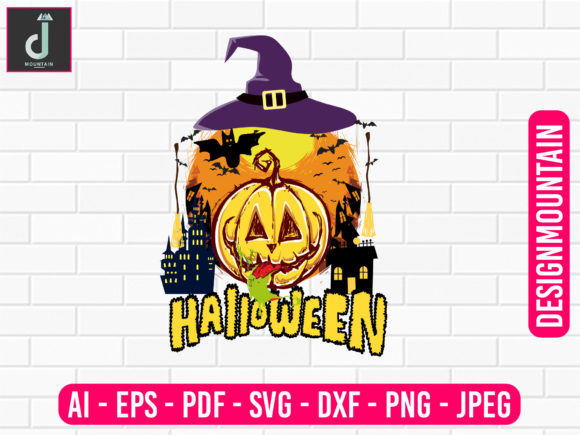
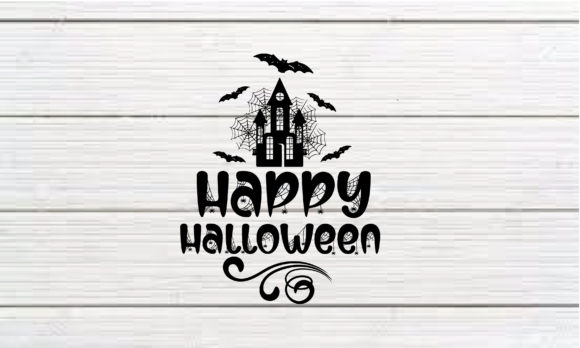
The mood of this piece is undeniably playful. It avoids the gore and grit of traditional horror themes, leaning instead into a "cute" sublimation style that appeals to a broad demographic, from young families to boutique shoppers. The layout appears balanced, with distinct shapes that suggest clear separation between elements. For an embroidery project, this is crucial. Cluttered designs turn into muddy blobs of thread, but the structural clarity here suggests that with proper digitizing, the house, windows, and decorative accents can remain distinct.
From a Crafts and Graphics perspective, the vector nature of the source files (AI and EPS) is a significant advantage. While I am reviewing this through the lens of embroidery, having access to high-resolution vectors means I can easily isolate specific elements if I need to simplify the design for smaller hoop sizes or adjust proportions for different garments. This flexibility is rare in pre-made digital embroidery files and adds substantial value for those of us who customize designs for clients.
Real-World Application: The Tote Bag Test
To truly evaluate the Creative New Halloween House, I imagined applying it to a standard canvas tote bag. This is a staple item for Etsy sellers and craft fair vendors during October. Canvas has a coarse fabric texture, which can swallow fine details. In this scenario, the bold lines of the house structure would likely perform well, provided the stitch density is managed correctly. A heavy fill stitch might make the bag stiff and unappealing, so I would recommend using a combination of satin stitch for outlines and lighter fill patterns for larger color blocks.
If I were producing this for a small shop product line, I would also consider sweatshirt embroidery. The soft, looped surface of fleece or cotton blends requires careful handling of underlay stitches. The whimsical theme fits perfectly on a crewneck sweatshirt, creating a cozy, festive look. However, because the design features multiple colors, thread management becomes key. Too many thread colors can increase production time and cost, eating into margins for a craft business. I would analyze the CMYK color mode source file to see if I could reduce the palette to three or four core thread colors without losing the design’s character.
Navigating Technical Challenges
While the aesthetic is strong, there are areas where caution is necessary. The description notes this is a sublimation bundle, which implies high detail and gradient potential. Embroidery, however, is limited by physical thread. Tiny lettering or intricate window details in the house might not survive the stitching process if they are too small. If you are planning to use this on baby embroidery items, such as onesies or bibs, you must scale the design up. Small hoops restrict your ability to capture detail, and dense stitch areas on stretchy fabric can cause puckering.
Another critical consideration is the background. Sublimation designs often rely on transparent or white backgrounds. When moving to embroidery, you must decide how to handle negative space. Will you leave the fabric exposed, or use a fill stitch? For dark fabric, you will need a robust underlay to prevent the garment color from showing through the threads. I always advise testing the design on scrap fabric first, specifically checking how the stitch density interacts with the material. A design that looks crisp on a screen can look bulky and uneven on a textured towel or a thin t-shirt.
Enhancing Product Value and Brand Consistency
For an Etsy seller or boutique owner, the perceived value of a finished product hinges on professionalism. A poorly executed embroidery job can damage brand trust. The Creative New Halloween House offers a strong foundation for high-quality goods because its shapes are recognizable and trendy. When customers see a clean, well-stitched holiday design, they associate it with quality. This boosts buyer engagement and encourages repeat purchases.
Using this design in commercial embroidery projects allows for versatility. It works as a central motif on a pillow cover or as a smaller accent on a cap. For caps, the curved surface presents a challenge. You must ensure the design is not too wide, or it will wrap around the sides and distort. Digitizing for curved surfaces requires adjusting the pull compensation and potentially simplifying the design to avoid excessive bulk. If you are creating personalized gifts, consider adding names below the house using a complementary font. This transforms a standard graphic into a unique, custom apparel piece that commands a higher price point.
Practical Notes for the Embroidery Designer
Before you load this into your machine, take these practical steps to ensure success:
- Check the License: Since this originates as a sublimation bundle, confirm the licensing terms for embroidery. Ensure you have the right to sell finished items or modified digital embroidery files.
- Digitize with Care: If you are converting the vector AI/EPS files yourself, pay attention to stitch direction. Changing the angle of fill stitches can dramatically change how light reflects off the final product.
- Stabilizer Selection: Use a cut-away stabilizer for stretchy fabrics like t-shirts and knits to prevent distortion over time. For woven fabrics like tote bags, a tear-away may suffice, but test first.
- Thread Contrast: Test the design in black and white mockups to ensure the shapes are distinguishable without relying solely on color. This helps identify areas where contrast might be lost on certain fabric textures.
- Hoop Size Verification: Confirm the dimensions of the design against your available hoop size. Do not attempt to cram a large design into a small hoop, as this leads to registration errors and poor stitch quality.
Final Verdict for Craft Entrepreneurs
The Creative New Halloween House is a promising asset for designers willing to put in the technical legwork. It is not a plug-and-play solution for every machine without consideration, but its vector origins provide the flexibility needed for professional adaptation. For those in the handmade product market, it offers a fresh, cute alternative to generic spooky graphics. By respecting the limitations of thread and fabric, and by carefully managing stitch density and color choices, you can transform this graphic into a standout embroidered patch, tote bag design, or holiday gift. It is a solid choice for expanding your autumn catalog, provided you approach it with the eye of a technician, not just a consumer.