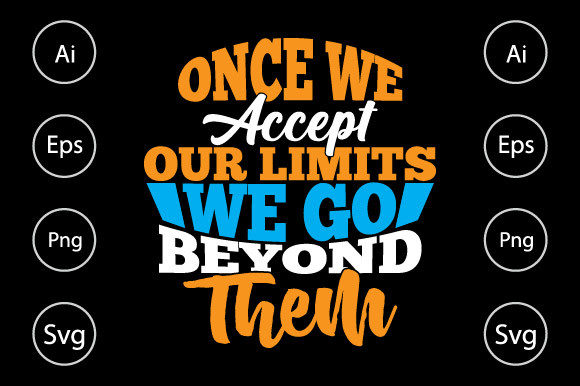
Review: Once We Accept Our Limits Design
As a designer who has spent countless hours digitizing and stitching typography, I approach every new machine embroidery design with a mix of curiosity and caution. Typography is notoriously difficult to translate from screen to fabric. The phrase Once We Accept Our Limits We Go Beyond carries a weight that demands respect in its execution. It is not just a quote; it is a statement of resilience. When I first loaded this file into my software, my primary concern was legibility versus aesthetic flow. Does the lettering hold up under the needle, or does it become a tangled mess of thread?
This review comes from the perspective of someone who needs to deliver a flawless finished product to a client. I am not looking at this merely as a digital asset, but as a physical component of a handmade product. Whether you are an Etsy seller, a boutique owner, or a hobbyist creating personalized gifts, the viability of this design depends on how it behaves in the hoop.
The Visual Personality and First Impressions
The mood of Once We Accept Our Limits We Go Beyond is contemplative yet empowering. The typography lettering style suggests a modern, clean aesthetic that fits well within contemporary Crafts and home decor trends. Upon initial inspection, the layout appears balanced. For a motivational quote, the visual hierarchy is crucial. The eye needs to travel smoothly across the words without getting stuck on overly complex serifs or tight kerning that might cause thread breaks.
In the context of Graphics and digital design, this file offers versatility. The inclusion of AI Illustrator files, EPS, PNG, and SVG formats means this is not just for embroidery machines. It is a comprehensive design asset package. However, for the embroiderer, the focus remains on how these vectors translate into stitch paths. The clean lines suggest that if digitized correctly, this could work beautifully as a combination of satin stitch for smaller elements and fill stitch for larger blocks, though the specific stitch types depend on the digitizer’s choices which you must verify in your software.
Real-World Application: The Tote Bag Test
To truly evaluate this design, I imagined applying it to a heavy canvas tote bag design. This is a popular item for small shop products and market stalls. The phrase resonates with individuals seeking mindfulness and personal growth, making it an ideal candidate for a custom apparel or accessory line.
On a tote bag, the design needs to be large enough to be read from a distance but dense enough to cover the weave of the canvas. If the stitch density is too low, the fabric background will show through, breaking the illusion of solid lettering. If it is too high, the bag may pucker. In my mental simulation, I placed the design centrally. The length of the phrase requires a wide hoop. If you are working with a standard 5x7 hoop, you might need to split the design or reduce the size significantly, which could compromise the readability of the thinner strokes. For a 6x10 or larger hoop, this design likely shines, allowing the letters to breathe.
Apparel and Wearable Art
Moving beyond bags, consider sweatshirt embroidery. A crewneck sweatshirt provides a stable, thick surface that is forgiving for text-based designs. The soft texture of fleece complements the smooth finish of well-digitized typography. Here, Once We Accept Our Limits We Go Beyond acts as a subtle branding element or a personal mantra.
However, caution is required when moving to custom apparel made of thinner materials. A t-shirt requires careful stabilization. The weight of the thread can cause lightweight cotton to gather around the stitches. For a baby embroidery project, such as a onesie, this design might be too large or text-heavy. Baby items typically benefit from simpler, iconic imagery rather than long phrases. I would advise reserving this specific quote for adult-sized garments or larger accessories like pillow covers and aprons.
Navigating Technical Challenges
Every designer knows that typography is where mistakes are most visible. When evaluating this embroidery file, there are several critical areas to inspect before hitting "start" on your machine.
- Small Details and Corners: Check the inner corners of letters like 'A', 'E', and 'M'. Poorly digitized corners can result in bulky knots or gaps. Ensure the pathing allows the needle to turn sharply without excessive buildup.
- Stitch Density: Review the density settings. High density creates a premium look but increases the risk of puckering. Low density saves time and thread but may look cheap. Find the balance that suits your fabric.
- Hoop Size Compatibility: As mentioned, this is a long phrase. Confirm that your hoop can accommodate the full width. If you must resize, do so proportionally to avoid distorting the letter shapes.
- Fabric Texture: Textured fabrics like towels or waffle knits can obscure fine details. On a kitchen towel, you might need to increase the stitch count or use a heavier thread weight to ensure the message pops against the loops of the fabric.
For those considering this for an embroidered patch, the stability of the backing is key. Patches often undergo rigorous washing and wear. Ensure the design is compact enough to fit within standard patch dimensions without losing clarity. A running stitch border might be necessary to define the edges cleanly.
Commercial Viability and Brand Consistency
For the craft business owner, the appeal of Once We Accept Our Limits We Go Beyond lies in its emotional resonance. It is not just a decoration; it is a conversation starter. This increases the perceived value of the finished product. Customers are more likely to engage with a product that speaks to their values.
When creating printable mockups for your online store, use the provided PNG and SVG files to showcase the design on various backgrounds. This helps customers visualize the final item. However, always be transparent about the handmade nature of the product. Slight variations in thread tension are part of the charm of commercial embroidery, but consistency is key for brand trust.
Before listing this as a digital embroidery file for others to use, or selling finished items, you must confirm the licensing terms. The product description mentions various file formats, but it is vital to understand if the license allows for commercial use of the finished goods. Most designers allow you to sell physical items made with their designs, but reselling the digital file itself is usually prohibited. Always read the specific license included with your purchase.
Practical Designer Notes for Success
To ensure the best results with this design, follow these practical steps:
- Test on Scrap Fabric: Never stitch directly on your final garment. Use a similar fabric scrap to test tension and density.
- Check Thread Contrast: Choose thread colors that contrast well with the fabric. Dark thread on dark fabric will hide the message. Use a stabilizer appropriate for your fabric type—cut-away for stretchy knits, tear-away for stable wovens.
- Inspect Small Details: Zoom in on your software. Look for overlapping stitches or unnecessary jumps that could cause snags.
- Mockup in Black and White: Convert your preview to grayscale. If the design loses its shape in black and white, the contrast and definition may be insufficient for real-world viewing.
- Verify File Formats: Ensure you have the correct format for your machine. While AI and EPS are great for editing, you will need the specific machine file (DST, PES, JEF, etc.) which may need to be generated or purchased separately depending on the vendor's offerings.
In conclusion, Once We Accept Our Limits We Go Beyond is a strong contender for meaningful, text-based embroidery projects. It requires thoughtful execution regarding hoop size and fabric choice, but when done correctly, it elevates a simple item into a piece of wearable art or cherished home decor. For the creative entrepreneur, it offers a blend of aesthetic appeal and emotional depth that can drive engagement and sales. Treat it with the technical respect it deserves, and it will serve your embroidery project well.