Review: Know Your Worth then Add Tax Vol 6
As a designer who has spent countless hours digitizing and testing embroidery patterns, I have learned that the difference between a good design and a great one often lies in the details of execution. When I first loaded Know Your Worth then Add Tax Vol 6 into my software, my immediate reaction was not just about the aesthetic appeal, but about its potential for real-world application. This is not merely a decorative element; it is a statement piece rooted in the motivational niche, specifically targeting an audience that values self-respect and financial independence. For embroidery designers, small business owners, and Etsy sellers, understanding how this graphic translates from a digital file to a stitched reality is crucial for maintaining professional standards.
First Impressions and Visual Personality
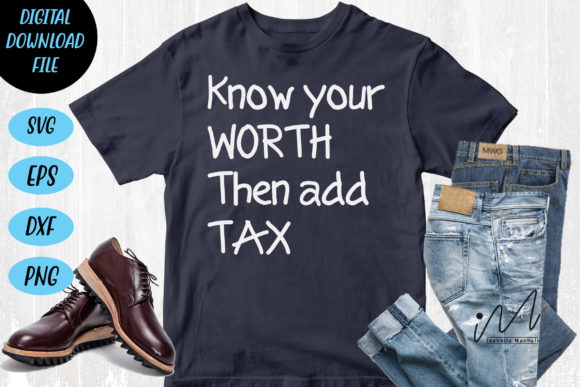
The quote “Know your worth then add tax” carries a bold, confident energy. Visually, Know Your Worth then Add Tax Vol 6 reflects this attitude through its layout and typography. The design falls squarely into the Crafts and Graphics categories, but its utility extends far beyond simple decoration. The mood it creates is empowering and modern, making it an ideal candidate for contemporary handmade products. When evaluating the shape and detail level, I look for balance. Does the text flow naturally? Are the letters spaced in a way that allows for clean stitching without excessive thread breaks or jumps?
In this case, the design feels intentional. It is structured to be read clearly, which is vital for any text-based embroidery project. The visual personality suggests it belongs on items that are meant to be seen and discussed, such as custom apparel or tote bags. It does not try to be overly intricate, which is a smart move for a design intended for varied production environments. Instead, it relies on strong lines and clear messaging, ensuring that the final product communicates its message effectively regardless of the viewer’s distance.
Real-World Application: From File to Finished Product
To truly evaluate Know Your Worth then Add Tax Vol 6, I imagined a specific scenario: preparing a custom order for a boutique client who sells empowered women’s apparel. The client wanted a design for a heavy-weight cotton sweatshirt. This is a common request for machine embroidery design users, and it presents specific challenges regarding fabric texture and stitch density.
When working with a motivational quote like this, the placement is key. On a sweatshirt, the chest area is prime real estate. The design needs to be large enough to be legible but not so dense that it stiffens the fabric uncomfortably. Since Know Your Worth then Add Tax Vol 6 is provided in SVG, DXF, and EPS formats, it offers flexibility for those who may want to convert it for cutting machines or use it as a reference for manual digitizing. However, for direct embroidery, the clarity of the lines in these vector formats allows for precise scaling. You can adjust the size to fit various hoop sizes, ensuring that the proportions remain intact whether you are stitching a small patch or a large back-panel design.
Beyond sweatshirts, this design shines on tote bags. A canvas tote with this quote stitched in a contrasting thread color becomes an instant bestseller for craft fairs. The durability of the stitch work on canvas is generally high, and the bold nature of the text holds up well against the rougher texture of the fabric. For baby items, however, caution is advised. While the message is positive, the style might be too mature for typical nursery decor, unless adapted significantly. It is better suited for older children’s apparel or accessories for parents, such as diaper bag tags or personalized aprons.
Technical Considerations for Embroidery Designers
One of the most critical aspects of using any new design asset is understanding its technical limitations. Since the product description specifies that you receive SVG, DXF, and EPS files, it is important to note that these are primarily vector graphics formats. They are excellent for resizing and color changes, but they are not native embroidery file formats like PES or DST. This means that if you are an embroidery machine operator, you will likely need to use digitizing software to convert these vectors into stitch files, or use them as templates for applique designs.
If you are converting this graphic into a stitch file, pay close attention to stitch density. Text-based designs can become problematic if the letters are too thin, leading to weak stitches that may unravel after washing. Conversely, if the fill is too dense, the fabric may pucker. I recommend testing the design on scrap fabric first. Use a medium-weight stabilizer to support the stitching, especially if you are working with stretchy fabrics like jersey knits. Check the thread color contrast carefully. A dark thread on a dark fabric will render the message invisible, defeating the purpose of the design. Always test your combination in both light and dark scenarios to ensure maximum readability.
For those using this design for commercial embroidery projects, verify the licensing terms. While the description mentions it is for motivational girls' design use, always confirm whether the license allows for the sale of finished physical items or if it is restricted to personal use. This step is essential for maintaining professionalism and avoiding legal issues down the line.
Navigating Fabric and Hoop Constraints
Not every surface is suitable for every design. Know Your Worth then Add Tax Vol 6 performs best on stable, flat surfaces. Curved surfaces like caps require careful hooping and possibly a smaller version of the design to prevent distortion. When stitching on textured fabrics, such as terry cloth towels or fluffy blankets, the finer details of the letters might get lost. In these cases, consider using a satin stitch border around the text to define the edges more sharply against the background texture.
Thin fabrics present another challenge. If you are stitching this on a lightweight silk or rayon blouse, the weight of the threads could cause the garment to sag or tear. Here, an applique approach might be superior. By using the vector files to cut a fabric shape and then stitching around the edge, you reduce the amount of thread buildup on the garment while still achieving the desired look. This technique also adds a tactile dimension to the handmade product, enhancing its perceived value.
Enhancing Brand Value and Customer Trust
From a business perspective, the quality of your design assets directly impacts your brand consistency. Using a well-structured graphic like Know Your Worth then Add Tax Vol 6 signals to customers that you care about the details. When a buyer receives a personalized gift with crisp, clean lettering, their trust in your craft business grows. This leads to repeat purchases and positive reviews, which are the lifeblood of any small shop product line.
Furthermore, this design fits seamlessly into the current trend of empowerment-themed merchandise. It appeals to a demographic that is actively seeking out items that reflect their values. By incorporating this design into your Etsy listings or craft fair displays, you are not just selling an embroidered item; you are selling a sentiment. This emotional connection can significantly boost buyer engagement and justify a higher price point for your custom apparel and accessories.
In conclusion, Know Your Worth then Add Tax Vol 6 is a versatile and impactful addition to any designer’s library. Whether you are creating holiday embroidery gifts, boutique branding materials, or everyday wearable art, this design offers a strong foundation. Just remember to respect the technical requirements of your chosen fabric and machine, test thoroughly, and always prioritize clarity in your final stitch out. With careful execution, this graphic can become a staple in your portfolio of successful embroidery projects.