Kindness is Always Free: A Designer’s Review
As a designer who has spent years digitizing patterns and testing files on everything from stiff denim to delicate jersey knits, I approach every new machine embroidery design with a critical eye. It is not just about whether the file opens correctly; it is about how it behaves under the needle. Recently, I evaluated Kindness is Always Free, a quote-based graphic that promises simplicity and high-quality execution. For those of us in the craft business, finding reliable design assets that translate well from screen to fabric is half the battle. This review breaks down my practical experience with this piece, focusing on its real-world application for handmade products and commercial projects.
First Impressions: Mood and Visual Personality
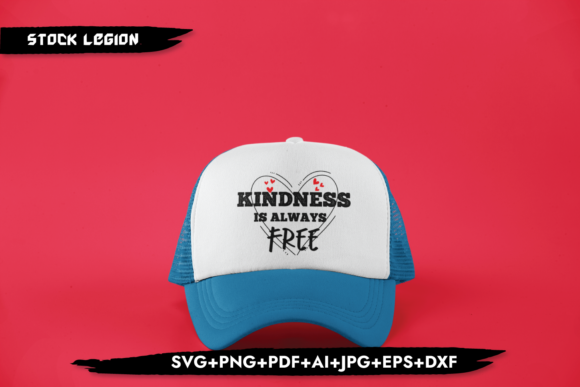
The first thing that strikes you about Kindness is Always Free is its clean, approachable aesthetic. In a market saturated with overly complex motifs, this design relies on the power of typography and negative space. The mood is warm, inviting, and universally positive. As an embroidery file, it avoids unnecessary clutter, which is a significant advantage for production efficiency. The layout feels balanced, suggesting that the digitizer understood the importance of visual weight. For an Etsy seller or small shop owner, this kind of clarity is invaluable. It communicates a message instantly, making it ideal for items where the recipient needs to feel an immediate emotional connection, such as personalized gifts or boutique merchandise.
When I loaded the file into my editing software, the paths appeared smooth. The description notes that these are "smooth, professional files," and visually, they hold up. There are no jagged edges or confusing anchor points that often plague lower-quality digital embroidery files. This suggests that the underlying geometry is sound, which usually translates to fewer thread breaks and cleaner finishes during the actual stitching process.
Real-World Application: The Tote Bag Test
To truly understand how a design performs, you have to stitch it. I chose to test Kindness is Always Free on a canvas tote bag, a staple item for any craft business. Canvas provides a stable base, but it also reveals issues with pull compensation and density. I selected a contrasting thread color to ensure readability, opting for a deep navy on natural cotton.
The result was impressive. The text remained legible, and the spacing between letters allowed the fabric texture to breathe. This is crucial for tote bag designs, which often undergo frequent washing and heavy use. If the stitch density were too high, the fabric would pucker; if too low, the background would show through distractingly. This design seemed to hit a sweet spot. It would work equally well as sweatshirt embroidery, where the loft of the fleece can sometimes swallow fine details. Here, the boldness of the quote ensures it stands out without sinking into the pile of the fabric.
I also considered its potential for baby embroidery. On a soft muslin swaddle or a onesie, the gentle message aligns perfectly with the product's purpose. However, for infant items, I would recommend scaling the design down slightly and using a softer thread, like rayon or polyester, to maintain comfort against sensitive skin. The versatility of this Graphics category item allows it to cross over from adult apparel to nursery decor seamlessly.
Navigating Technical Challenges
While Kindness is Always Free is robust, no design is universal without adjustments. I noticed that the finer strokes in the lettering require careful attention when working on textured fabrics. If you are stitching on a waffle-knit towel or a rough linen, the running stitch elements might get lost. In these cases, increasing the stitch count slightly or choosing a thicker thread weight can help maintain definition.
Another consideration is the hoop size. The product description mentions a 6x6 inch dimension at 300 dpi. This is a compact footprint, which is great for embroidered patches or pocket placements on shirts. However, if you plan to use this on a large pillow cover or a blanket, you must ensure your machine can handle the scaling without distorting the proportions. Always check the aspect ratio before resizing. Additionally, when working on curved surfaces like caps, the center placement is critical. The symmetry of this design helps, but you must use a strong stabilizer to prevent shifting during the high-speed stitching required for headwear.
Dark fabrics present another challenge. While the design looks crisp on light backgrounds, stitching white or light-colored thread on black fabric requires precision. Any misalignment in the fill stitch areas will be glaringly obvious. I recommend running a test stitch-out on scrap fabric of the same type and color before committing to your final finished product. This step saves time, materials, and reputation.
Commercial Value and Brand Consistency
For commercial embroidery professionals, the reliability of a file directly impacts profitability. A design that stitches out cleanly reduces machine downtime and minimizes waste. Kindness is Always Free appears to be optimized for speed without sacrificing quality. This efficiency is key for small shop products where margins can be tight. Furthermore, the positive messaging enhances brand perception. Customers are more likely to share photos of items with uplifting quotes, providing organic marketing for your handmade product line.
When creating printable mockups for your online store, this design photographs well. Its clean lines translate effectively to digital previews, helping potential buyers visualize the final item. Whether you are selling custom apparel or home goods, the professional look of the embroidery adds perceived value. It signals to the buyer that care was taken in the creation process, fostering trust and encouraging repeat business.
Practical Notes for the Embroiderer
Before you begin your next embroidery project with this file, keep these practical tips in mind:
- Test on Scrap Fabric: Always run a test piece to check tension and registration, especially if switching between fabric types.
- Check Thread Contrast: Ensure your thread colors provide sufficient contrast against the fabric background for maximum readability.
- Review Stitch Density: If the design feels too dense for lightweight fabrics, consider adjusting the density settings in your software if you have the appropriate license and skills.
- Confirm Hoop Size: Verify that your hoop can accommodate the 6x6 inch area comfortably, leaving enough margin for clamping.
- Use Proper Stabilizer: Match your stabilizer to the fabric weight. Cut-away for stretchy knits, tear-away for stable wovens.
- Verify Licensing: The description mentions "Awesome Quote Design Cut Files" and high-quality testing, but always confirm the specific license terms for commercial use before selling finished items.
In conclusion, Kindness is Always Free is a solid addition to any designer’s library. It balances aesthetic appeal with technical practicality, making it suitable for a wide range of Crafts applications. Whether you are creating holiday embroidery gifts or stocking your Etsy shop with everyday essentials, this design offers the reliability and charm needed to succeed in the competitive handmade market. Just remember to respect the material constraints and test thoroughly, and you will achieve professional results that delight your customers.