I Wear Pink for My Cousin: A Designer’s Review
As an embroidery designer who has spent years digitizing files and reviewing thousands of machine embroidery design options, I have learned that not every graphic translates well to thread. When I first encountered I Wear Pink for My Cousin, my initial reaction was one of cautious optimism. The sentiment is powerful, deeply personal, and visually recognizable within the context of breast cancer awareness. However, seeing a concept on a screen is vastly different from watching it stitch out on fabric. This review breaks down how this specific Graphics asset performs when moved from a digital file into a tangible, stitched reality.
First Impressions and Visual Personality
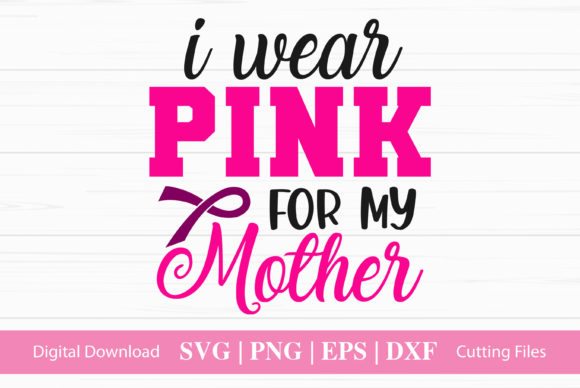
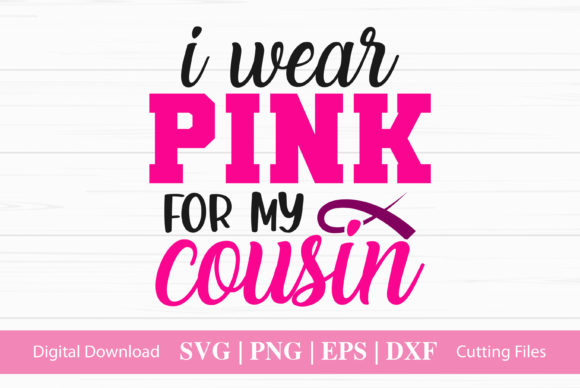
The core strength of I Wear Pink for My Cousin lies in its emotional clarity. It does not rely on overly complex imagery or cluttered backgrounds. Instead, it focuses on a clean, typographic approach paired with symbolic elements, likely ribbons or hearts, which are staples in this niche. For a designer, this simplicity is a double-edged sword. On one hand, clean lines are easier to digitize and stitch cleanly. On the other hand, simple designs leave nowhere to hide poor stitching quality or tension issues.
The mood created by this design is supportive and solemn yet hopeful. It fits naturally into the category of meaningful Crafts that serve a purpose beyond decoration. When evaluating the layout, I look for balance. Does the text overwhelm the symbol? Is there enough negative space to allow the fabric to breathe? In this case, the design appears to prioritize readability, which is crucial for a message meant to be seen and understood at a glance. The visual personality is understated, making it versatile enough for various age groups and garment types.
Real-World Application: The Tote Bag Test
To truly evaluate a design, you must imagine it in a specific product context. Let us consider a real-life scenario: creating a custom tote bag for a charity walk or a family support group. A canvas tote provides a stable, medium-weight surface that is ideal for testing stitch density. When applying I Wear Pink for My Cousin to this surface, the design needs to hold its structure without puckering the fabric.
If this were a dense fill stitch heavy design, the tote might warp. However, given the typical nature of awareness quotes, I anticipate a mix of satin stitch for borders or smaller elements and potentially running stitch for finer details or outlines. This combination is excellent for tote bags because it remains flexible. A stiff, heavily stitched patch on a soft canvas bag feels awkward to carry. The goal is a handmade product that feels professional and comfortable. If the digitizer has balanced the stitch density correctly, the result will be a crisp, legible message that enhances the bag’s utility as a conversation starter.
Apparel and Custom Gifts
Beyond totes, this design shines in custom apparel. Imagine embroidering this onto a soft fleece sweatshirt or a cotton t-shirt. For sweatshirt embroidery, the texture of the fabric plays a huge role. Fleece can swallow small details if the stitches are too fine. Therefore, checking the scale of I Wear Pink for My Cousin is vital. If the lettering is too thin, it may get lost in the pile of the fabric. Conversely, on a smooth cotton t-shirt, the same design will appear sharper and more defined.
This versatility makes it a strong candidate for personalized gift items. Whether it is for a cousin, aunt, or friend, the ability to customize the thread colors allows the maker to tailor the item to the recipient’s taste. While pink is the standard, using soft pastels or contrasting neutrals can modernize the look. For Etsy seller shops, offering color variations of this design can significantly boost engagement. Buyers often look for unique twists on traditional awareness symbols, and a well-executed embroidery file allows for that creativity.
Technical Considerations for Stitchers
Before loading this digital embroidery file into your machine, there are several technical factors to consider. First, always check the recommended hoop size. If the design is large, you may need a 5x7 or 6x10 hoop. Attempting to resize a design beyond its intended limits can distort the lettering and cause registration errors. Since this is a quote-based design, maintaining the aspect ratio is non-negotiable. Stretching the width will make the font look unnatural; stretching the height will make it look cramped.
Stabilizer choice is another critical element. For stretchy fabrics like jersey knits used in t-shirts, a cut-away stabilizer is essential to prevent the design from pulling and distorting over time. For woven fabrics like aprons or pillow covers, a tear-away stabilizer might suffice, provided the stitch count is not excessively high. I recommend testing the design on scrap fabric first. This allows you to inspect the thread colors for contrast and ensure that the jump stitches are minimized.
Pay close attention to tiny details. If the design includes small hearts or ribbon tails, verify that they are not too small for your needle size. Tiny elements can break easily or fail to form properly if the digitizing is not precise. If you are new to working with text-based embroidery, start with a larger size to ensure clarity before attempting miniaturized versions for patches or baby items.
Where to Use Caution
While I Wear Pink for My Cousin is versatile, it is not suitable for every surface. Avoid using it on very thin, silky fabrics unless you have extensive experience with lightweight stabilization. The weight of the threads can cause sheer fabrics to pucker irreparably. Additionally, be cautious when applying this design to curved surfaces like caps. Caps require specialized digitizing techniques to account for the curvature. A standard flat embroidery file may distort when stitched on a rounded cap front.
Also, consider the end-use of the product. If you are creating items that will undergo frequent washing, such as kitchen towels or baby clothes, ensure that the thread quality is high and the stitching is secure. Loose ends or poor tension can lead to unraveling. For baby embroidery, safety is paramount. Ensure that no small applique pieces or loose threads pose a choking hazard. In these cases, a simple satin stitch outline might be safer than complex fill areas.
Enhancing Product Value and Brand Consistency
For small shop product creators, the quality of your embroidery directly impacts perceived value. A clean, well-stitched I Wear Pink for My Cousin design signals professionalism. It shows that you care about the details. This builds customer trust, which is essential for repeat business. When customers see a crisp, aligned design, they are more likely to share photos of their purchase, providing free marketing for your brand.
Consistency is key. If you use this design across multiple products, such as tote bags, pillows, and aprons, ensure that the placement and sizing remain consistent. This creates a cohesive brand identity. Using printable mockup tools can help you visualize how the design will look on different products before you commit to stitching. This saves time and materials, allowing you to refine your offerings efficiently.
Final Verdict and Licensing Notes
In conclusion, I Wear Pink for My Cousin is a solid addition to any embroidery designer’s library, particularly for those focusing on awareness campaigns and personalized gifts. Its strength lies in its emotional resonance and clean layout. However, success depends on proper execution. Always verify the file formats provided in the DIGITAL DOWNLOAD. Common formats include PES, DST, and EXP, but you must confirm compatibility with your specific machine.
Crucially, review the license terms. Most digital designs come with restrictions on commercial use. If you plan to sell finished items featuring this design, ensure you have the appropriate commercial license. Some designers allow unlimited sales, while others cap the number of items you can produce. Respecting intellectual property rights is fundamental to maintaining integrity in the craft business community.
By paying attention to fabric choice, stabilizer type, and stitch quality, you can transform this digital asset into a beautiful, meaningful finished product. Whether for a client, a loved one, or your online store, this design offers a respectful and stylish way to show support. Take the time to test, adjust, and perfect your technique, and the results will speak for themselves.