Ghosts Gather Here: A Designer’s Review
As an embroidery designer who has spent years digitizing and testing thousands of motifs, I approach every new Graphics asset with a critical eye. It is not enough for a design to look cute on a screen; it must translate flawlessly into thread. When I first opened the files for Ghosts Gather Here Halloween Sublimation, my immediate thought was about versatility. This bundle, marketed primarily for sublimation, presents an interesting case study for those of us working in the tactile world of needle and thread. The product description highlights a 300 DPI resolution and vector capabilities in AI and EPS formats, which signals high-quality source material. But how does this translate when we move from digital Crafts assets to physical stitching?
First Impressions and Visual Personality
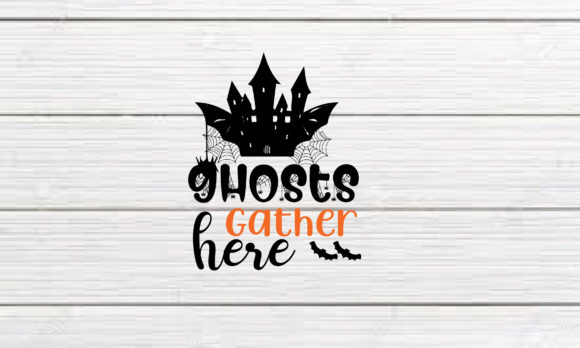
The mood of Ghosts Gather Here Halloween Sublimation is playful rather than spooky. It captures that "spooky season" aesthetic that dominates October sales without relying on gore or darkness. The layout features whimsical ghost characters, likely arranged in a gathering or cluster, which creates a natural focal point. For an embroidery project, this clustering is both a blessing and a challenge. Visually, it offers a strong center of gravity, making it ideal for chest placements on sweatshirts or central designs on tote bags. However, the density of elements means we must be mindful of stitch count and spacing.
The visual personality here is soft and approachable. This is crucial for expanding your customer base beyond hardcore horror fans to include families, children, and buyers looking for gentle holiday decor. When evaluating the design for real-world use, I look at the lines. Are they smooth? Do they have sharp, jagged edges that might cause thread breaks? Since this originates as a vector-based graphic, the lines should be clean, allowing for precise digitizing whether you are creating a satin stitch border or a fill stitch body for the ghosts.
Real-World Application: The Custom Sweatshirt Test
To truly evaluate Ghosts Gather Here Halloween Sublimation, I imagined applying it to a popular seasonal item: a custom embroidered crewneck sweatshirt. This is a staple for any Etsy seller or small shop owner during the fall months. The design’s theme fits perfectly with the cozy, layered aesthetic of autumn apparel.
In this scenario, the ghost characters would serve as the primary visual draw. Because the source file is high-resolution and vector-based, scaling the design to fit a standard 5x7 or 6x10 hoop is straightforward. However, a key consideration is the transition from sublimation ink to embroidery thread. Sublimation relies on color gradients and CMYK modes, while embroidery relies on thread colors and stitch types. If you are digitizing this yourself from the provided AI or EPS files, you will need to simplify some of the finer details. Tiny facial features on the ghosts might get lost in a fill stitch if the stitch density is too low, or they might become bulky if too high.
For a handmade product like this, I recommend using a combination of satin stitches for outlines and lighter fill stitches for the ghost bodies. This reduces bulk and keeps the garment comfortable to wear. The result is a personalized gift that feels premium and thoughtful, far exceeding the perceived value of a printed tee.
Navigating Fabric and Hoop Constraints
One of the most critical aspects of using any new design is understanding its limitations on different materials. Ghosts Gather Here Halloween Sublimation features characters that likely have rounded shapes, which are generally forgiving. However, if the design includes small text or intricate accessories held by the ghosts, these areas require careful attention.
When working with textured fabrics like terry cloth towels or fuzzy fleece blankets, fine details can disappear. In such cases, I advise increasing the stitch density slightly or simplifying the design elements. For stretchy fabrics, such as those used in baby embroidery items or athletic wear, proper stabilization is non-negotiable. A cut-away stabilizer is often best for garments that will be washed frequently, ensuring the embroidered patch or direct stitch work remains intact without puckering.
Curved surfaces, like caps or hats, present another challenge. If you plan to use this design for a cap embroidery project, you must ensure the design width fits within the curved hoop limits. The "gathered" nature of the ghosts might need to be widened or flattened slightly in your digitizing software to prevent distortion on the curved front panel of a hat. Always test on scrap fabric first. This simple step saves time, thread, and frustration, allowing you to adjust tension and density before committing to the final finished product.
Commercial Viability and Brand Consistency
For commercial embroidery professionals and craft business owners, the licensing and usability of the source file are paramount. The product description notes that you receive AI and EPS files. This is excellent news for designers who wish to create their own digitized versions. It allows for complete control over color palettes and stitch paths. You can easily modify the colors to match specific brand identities or seasonal trends, such as pastel ghosts for a spring-themed twist or traditional orange and black for Halloween.
Using Ghosts Gather Here Halloween Sublimation as a base for digital assets also opens up opportunities for hybrid products. Imagine offering a tote bag design where the ghosts are sublimated onto a pocket, and the pocket is then embroidered with a simple border. This mixed-media approach adds texture and value, appealing to customers looking for unique, boutique-style items. It enhances brand consistency by allowing you to maintain a specific aesthetic across various product lines, from kitchen towel sets to pillow covers.
Practical Designer Notes for Best Results
Before you launch this design into your production line, consider these practical steps to ensure quality:
- Check Thread Color Contrast: Ensure the thread colors chosen for the ghosts stand out against the fabric. White ghosts on white fabric will vanish unless you use a contrasting backstitch or shadow effect.
- Review Stitch Density: High density can make fabric stiff. For larger designs on sweatshirts, keep the density moderate to maintain drape and comfort.
- Inspect Small Details: Zoom in on the vector file. If there are tiny eyes or mouths, determine if they can be stitched cleanly or if they should be simplified into single running stitches.
- Test on Dark and Light Fabrics: A design that looks great on cotton might behave differently on polyester blends. Test both to understand how the thread sheen interacts with the fabric texture.
- Confirm Licensing: While the file format suggests flexibility, always double-check the specific license terms for selling finished items versus redistributing the digital file itself.
In conclusion, Ghosts Gather Here Halloween Sublimation is a robust starting point for creative entrepreneurs. Its vector origins provide the flexibility needed for high-quality digitizing, and its whimsical theme appeals to a broad market. By paying attention to stitch types, fabric choices, and stabilization, you can transform this digital graphic into a standout embroidery file that drives sales and delights customers. Whether you are creating a holiday embroidery collection or updating your small shop product lineup, this design offers the potential for professional, polished results.